
The AI Patent Wars Are Here. Why FTO Has to Happen Earlier.
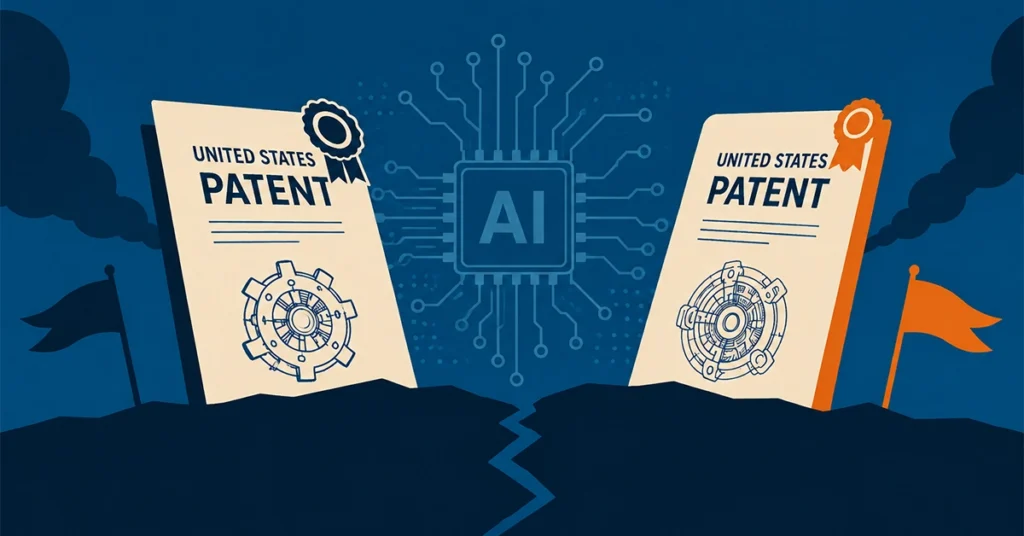
AI companies are moving faster than ever, but patent risk hasn’t disappeared. Recent lawsuits show why freedom-to-operate analysis needs to happen earlier in the innovation process.
AI patent activity is accelerating rapidly. Here’s why companies building with AI need a more dynamic approach to freedom-to-operate analysis.
Patent portfolios should not grow on autopilot. Learn how to evaluate which patents deserve continued investment, which may create licensing value, and which may be candidates for abandonment using patent strength, business relevance, competitive overlap, and cost-to-value analysis.
As AI data centers place growing pressure on power grids and water supplies, infrastructure innovation is becoming increasingly urgent. Discover how patent intelligence can help companies identify emerging cooling, energy, and water-management technologies—and the organizations positioned to lead the next generation of sustainable AI infrastructure.
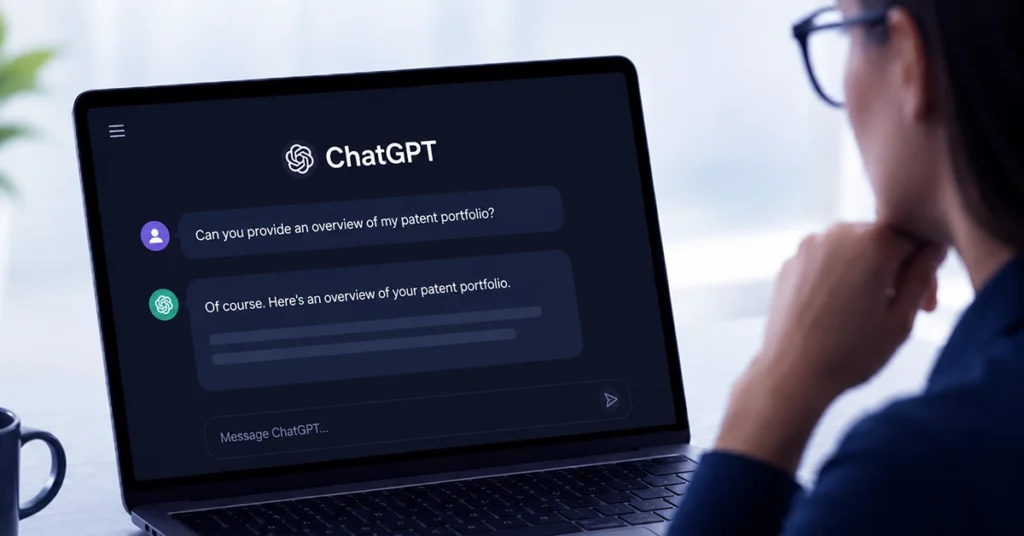
AI has made instant answers the new expectation. But reliable patent intelligence requires specialized data, traceable evidence, and more than a general-purpose chatbot.
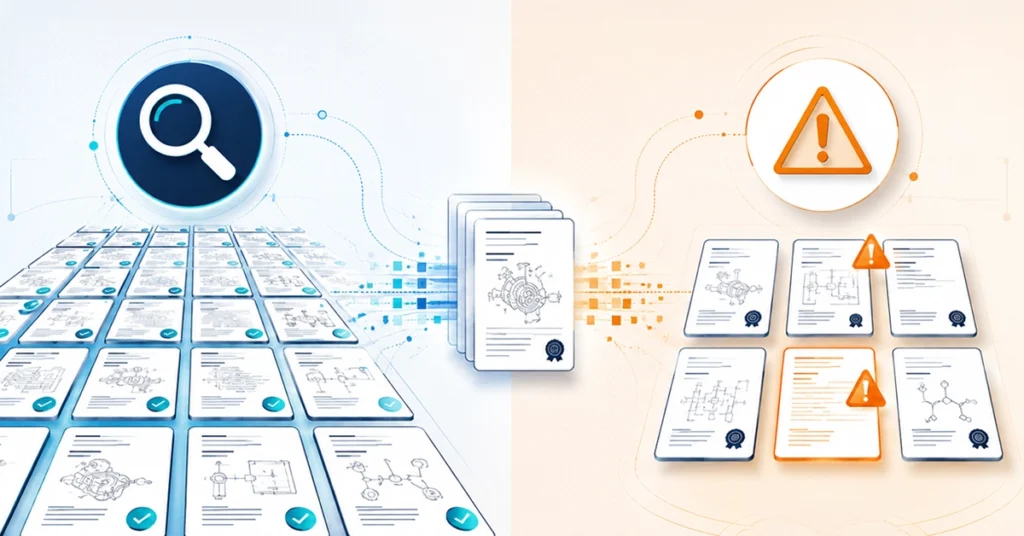
An AI-powered FTO platform should do more than find similar patents. It should connect product features to relevant claims, prioritize results, and help teams identify potential patent risk earlier.
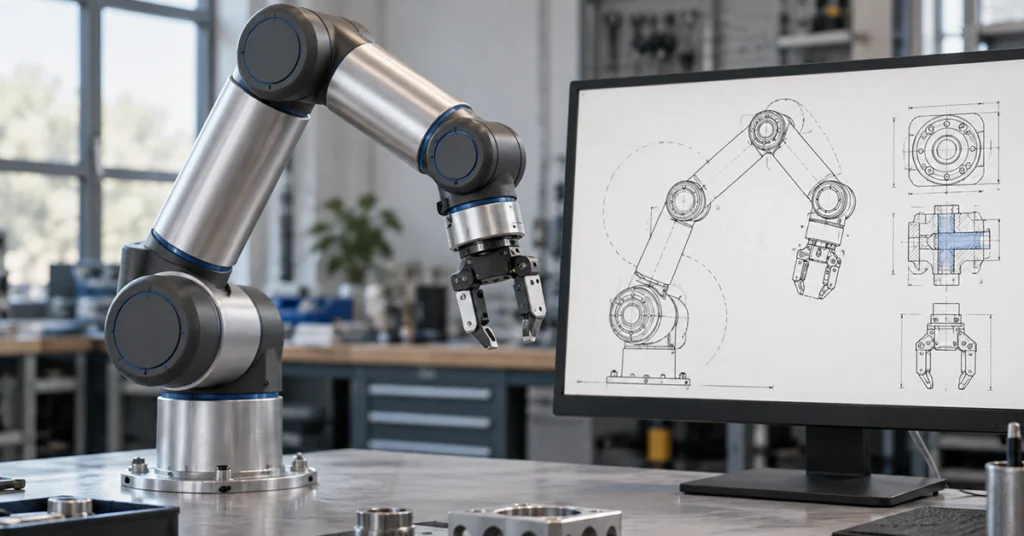
AI robotics is moving quickly into real-world industries, but speed creates patent risk. Here’s why Freedom to Operate and AI patent analytics matter before robotics companies scale.
Innovation is not just about owning an idea. It is about having the freedom to build, launch, sell, and scale without unexpectedly running into someone else’s patent rights.
AI-enabled medical technology is moving quickly into diagnostics, imaging, and clinical workflows. But as the category matures, freedom-to-operate risk is becoming harder to ignore.
AI companies need more than speed, data, and strong demos. True defensibility also requires patent visibility and freedom to operate.