
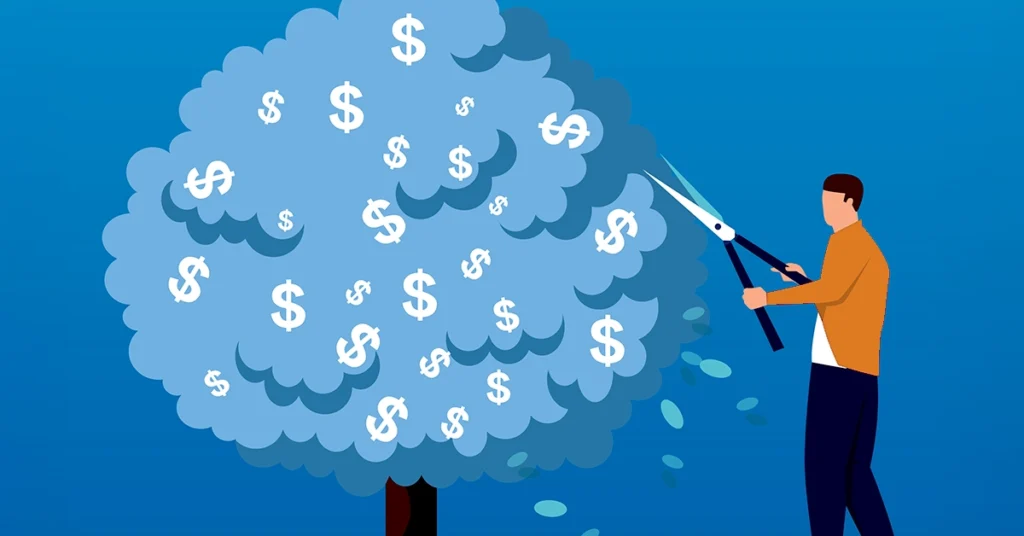
Patent portfolios grow quietly and expensively.
For venture capitalists, corporate development teams, and M&A executives, patent renewal fees often accumulate in the background, rarely questioned until costs spike or diligence begins. By then, portfolios are bloated, outdated, and misaligned with current strategy.
Patent fee optimization is not about cutting patents.
It is about ensuring every patent you continue to pay for still earns its place.
Why Patent Renewal Fees Deserve Strategic Attention
Patent renewal decisions are often treated as administrative tasks rather than strategic ones. Fees get paid automatically. Portfolios grow by default. Over time, this creates three problems:
- Ongoing spend tied to low-impact or obsolete patents
- Reduced clarity around which IP assets actually matter
- Inflated portfolios that complicate diligence and valuation
In deal scenarios, this lack of discipline becomes visible fast.
The Risk of Blind Cost Cutting
When renewal fees finally come under review, organizations often swing too far in the other direction. Patents are dropped based on surface-level criteria or incomplete analysis, creating unintended exposure.
The real risk is not paying too much.
It is cutting the wrong patents.
Effective fee optimization requires confidence that what remains is defensible, relevant, and strategically aligned.
What Smart Fee Optimization Looks Like in 2026
Leading investors and acquirers approach patent fee optimization as a portfolio intelligence problem, not a budgeting exercise.
Ontologics supports this by evaluating patents in context, using proprietary AI analytics to surface which assets meaningfully contribute to competitive position and which do not.
At a high level, optimized portfolios share a few characteristics.
1. Strategic Alignment
Patents that no longer support current products, markets, or future roadmaps are prime candidates for reevaluation. Strategic alignment matters more than historical investment.
2. Demonstrated Differentiation
Patents that lack clear technical distinction or competitive leverage rarely justify continued renewal costs.
3. Portfolio Cohesion
Strong portfolios work as systems. Redundant or isolated patents often add cost without adding protection.
4. Risk Awareness
Fee decisions should account for competitive pressure and overlap. Dropping the wrong patent can weaken negotiating position or expose future risk.

Why Manual Fee Reviews Fall Short
Traditional renewal reviews rely heavily on static lists, human judgment, and fragmented data. This makes it difficult to assess:
- Which patents actually influence competitors
- Where overlap or redundancy exists
- How individual patents strengthen or weaken the portfolio as a whole
As portfolios scale, these blind spots multiply.
How Ontologics Enables Smarter Fee Decisions
Ontologics helps teams move beyond guesswork.
Using proprietary AI analytics, Ontologics evaluates patents in relation to each other and the broader IP landscape. This allows investors and M&A teams to identify which patents meaningfully contribute to value and which increase cost without strengthening position.
The result is a leaner portfolio that is easier to defend, easier to diligence, and less expensive to maintain.
The Bottom Line
Patent fee optimization is not about saving money in isolation.
It is about reallocating spend toward IP that actually matters.
Ontologics helps deal teams and investors reduce unnecessary patent costs while preserving the assets that support valuation, leverage, and long-term strategy.
Get a Free IP Analytics Report and See Your Patent Strength in Just 24 Hours!
Get a fast, evidence-based snapshot of your patent strength before you make your next investment or strategic move. Our proprietary AI analyzes your IP in minutes and delivers insights you won’t find anywhere else.